
Create Videos, Then Refine Them with Omni Flash
Turn text, an image, or a clip into a 3-10-second video. Then refine it with plain-language instructions.
See Omni Flash in action
Play three ways to use it: reveal a product, animate a still, or restyle a clip. Copy any prompt to make it your own.
Create a 10-second 16:10 product reveal. Bring a black cylindrical product into view against a clean studio backdrop, keep its shape stable, add a slow camera push, and end on a polished hero frame.
Create with Omni Flash in four steps
- 01
Describe the scene
Name the subject and action, then add the setting, style, camera move, and ending.
- 02
Add a source if you have one
Attach an image to guide the look or a video to restyle what already exists.
- 03
Choose a length and generate
Pick 3 to 10 seconds, check the credit cost, and generate your first version.
- 04
Refine what works
Keep the strongest parts and ask for one clear change at a time.
What you can make with Omni Flash
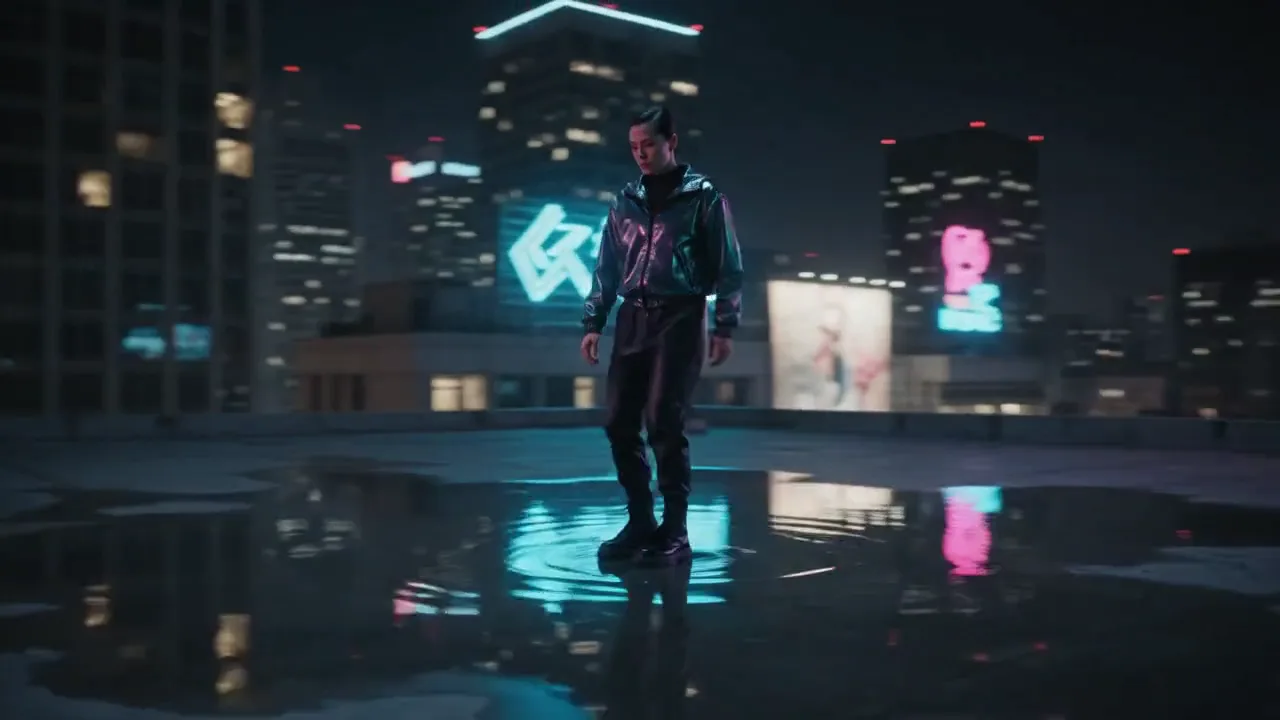
Create cinematic portraits, controlled restyles, and motion-rich scenes from a prompt or source image.
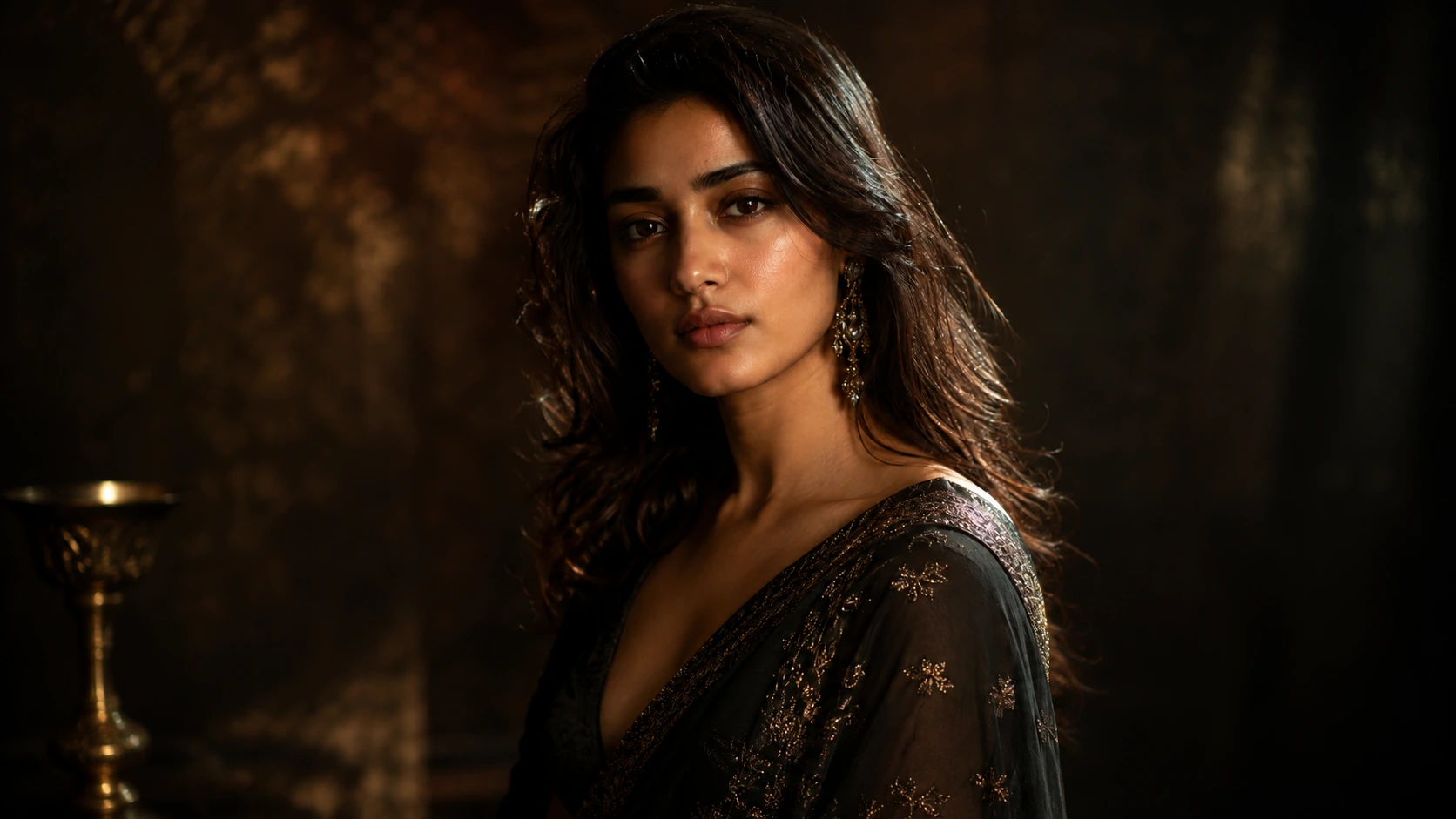
Bring portraits to life
Use subtle movement, lighting, and atmosphere to give a polished portrait a cinematic feel.
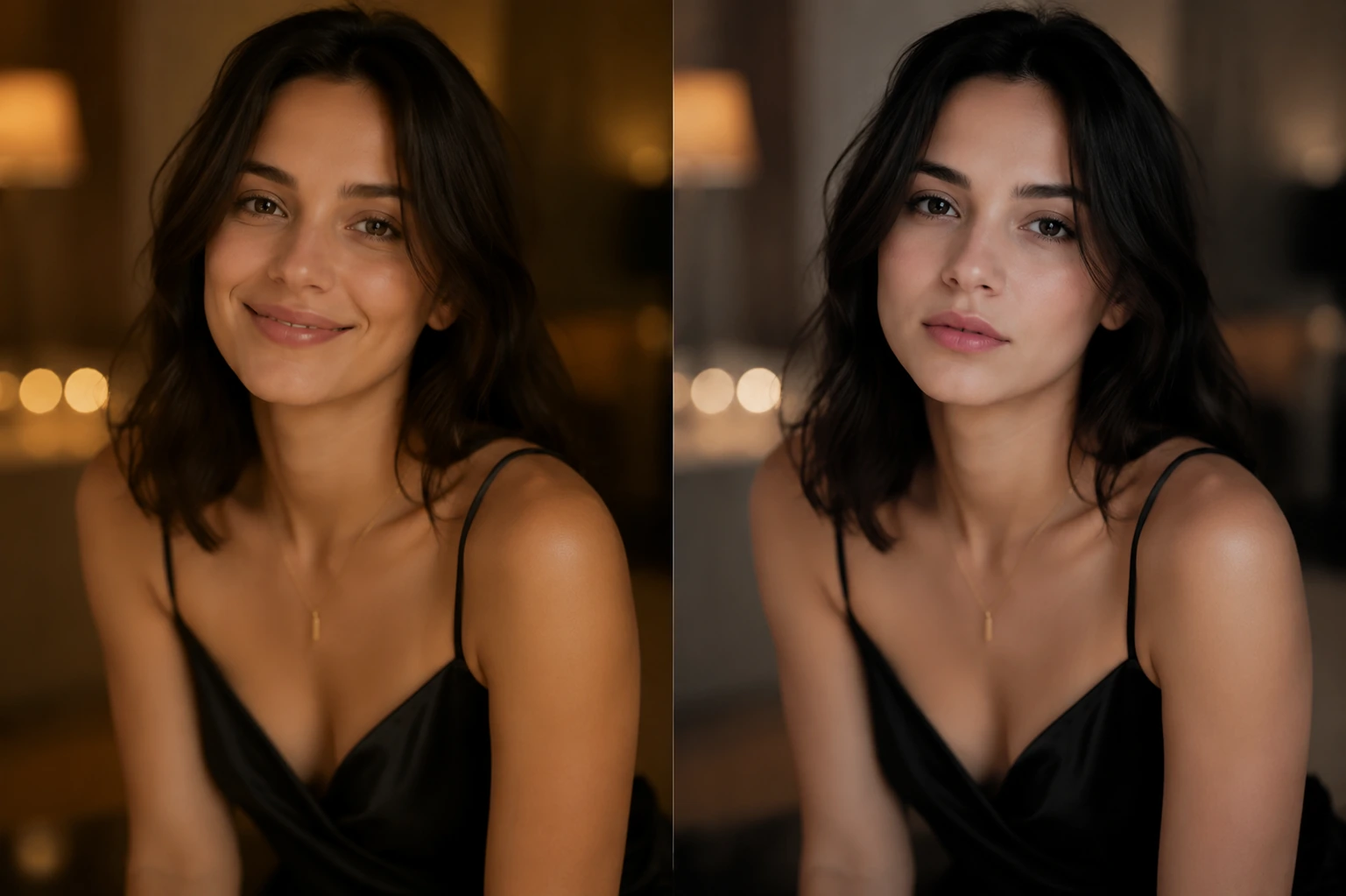
Restyle without losing the subject
Shift the lighting, color, or mood while keeping the person and composition recognizable.
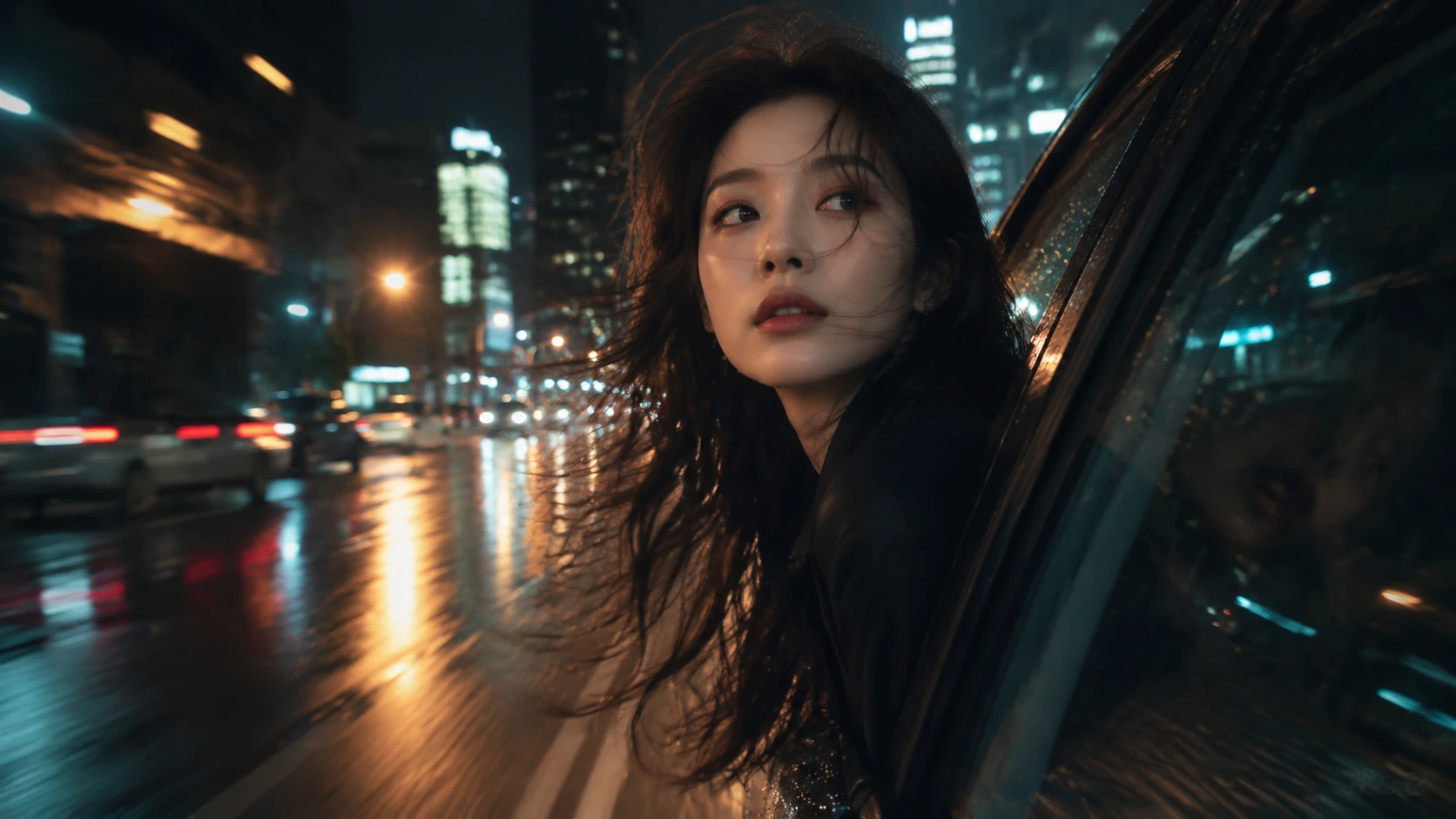
Turn motion cues into movement
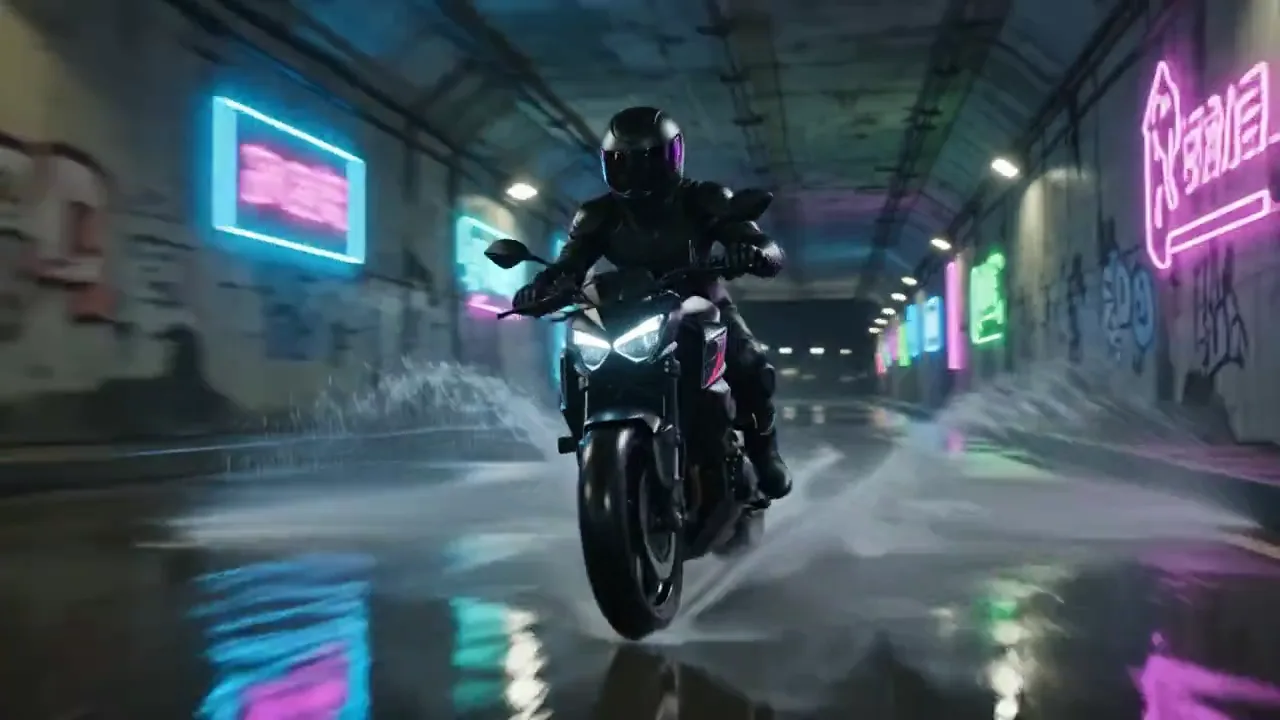
Use wind, traffic, or camera direction to shape motion that fits the scene.
What Omni Flash delivers and where it still struggles
See the limits, strengths, and tradeoffs that matter before you generate.
- 3-10s
- Output durationGoogle lists output from 3 to 10 seconds. Use only the time your action needs.
- 720p / 24 FPS
- Output formatOmni Flash outputs 720p video at 24 frames per second.
- 10s max
- Video input for editingSource video for editing can be up to 10 seconds. Trim longer clips first.
Editing is the standout strength
In Google's internal tests, Omni Flash led on overall preference and instruction following for video edits.
Strong prompt adherence from text
Across 1,003 MovieGenBench prompts, Google reports first place for overall preference and instruction following.
Image-to-video ranks among the leaders
In Google's VBench comparison, Omni Flash tied with Grok Imagine Video and Kling.
Complex motion and text still need review
Google lists consistency across edits, complex motion, and perfectly accurate text as known limits.
Get better Omni Flash results
Use these techniques to control the shot and limit unwanted changes.
Request one continuous shot
Omni Flash may add cuts by default. Add "single continuous shot" or "no scene cuts" when continuity matters.
Keep edit requests short
Name the change plainly, then add "Keep everything else the same."
Time each beat
For a staged 10-second clip, use ranges such as [0-3s], [3-6s], and [6-10s].
Write exclusions into the prompt
There is no separate negative prompt. Add "No dialogue" or "No extra sound effects" to the main prompt.
Ready to create?
Turn the idea into a clip worth building on.
Start with a prompt or source, then keep the parts you like and change the rest.
Omni Flash FAQ
Answers about inputs, clip length, editing, prompts, and when to choose Omni Flash.
What is Omni Flash best for?
Omni Flash is a strong fit for 3-10-second videos that you expect to revise. Start from text, an image, or a source clip, then use follow-up instructions to change the result.
Can Omni Flash edit an existing video?
Yes. Upload a source clip up to 10 seconds and describe the edit. Add "Keep everything else the same" when only one part should change.
Can I start from an image?
Yes. Use an image to preserve the subject, composition, or starting look. Say whether it should guide the first frame, style, or identity.
How long are Omni Flash clips?
Choose from 3 to 10 seconds. Use the shortest duration that gives the action enough time to read.
How should I write the prompt?
For a new video, describe the subject, action, setting, camera move, and ending. For an edit, keep it shorter: name the change and what should stay the same.
Should I use Omni Flash or Veo AI?
Choose Omni Flash for conversational editing or when you already have an image or clip to build from. Compare Veo AI when the selected Veo model offers the resolution, audio, or camera controls your shot needs.
Related paths
Where to go after Omni Flash
Use another model for a different motion style, edit the clip, or improve the source asset.
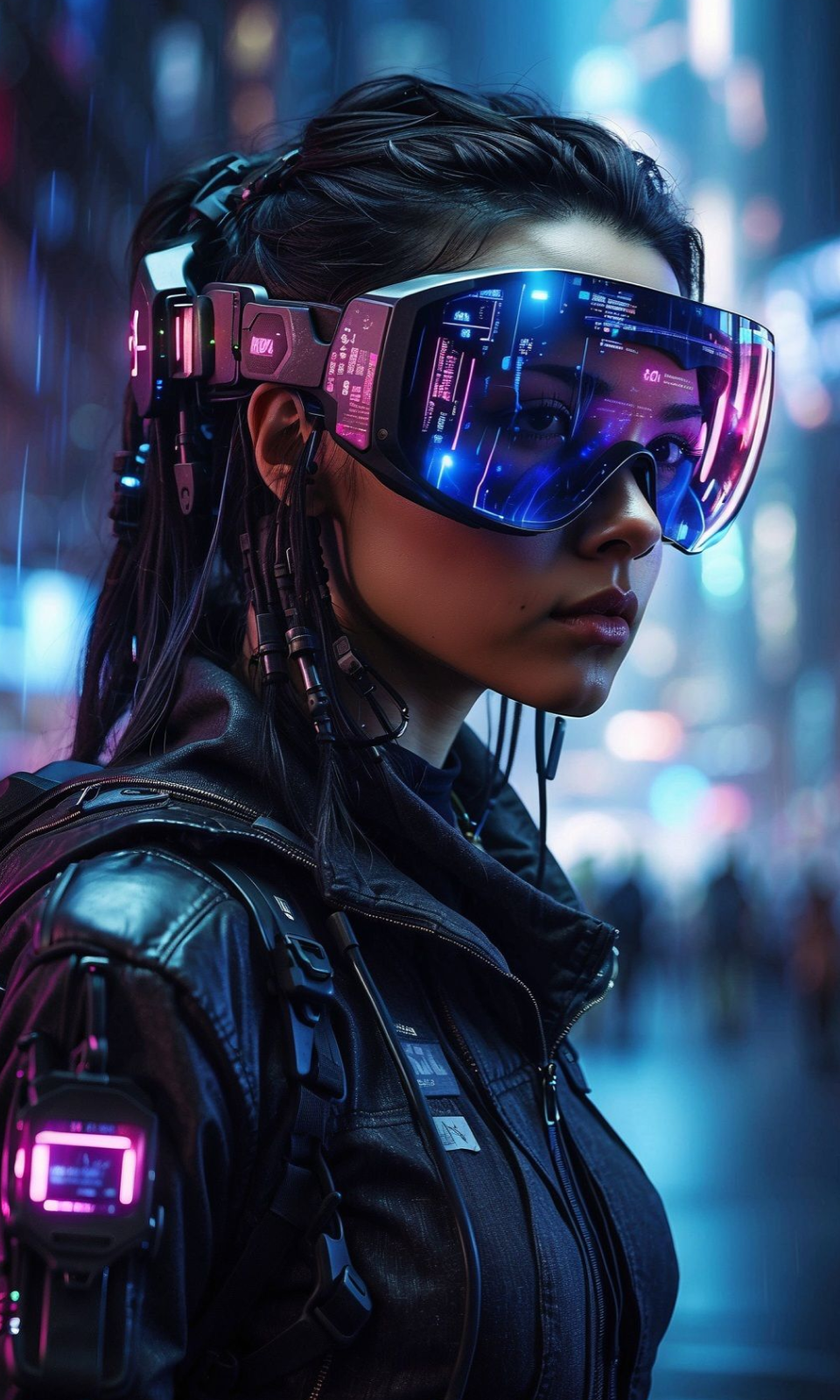
AI models
Compare models
Choose a better fit before you generate.
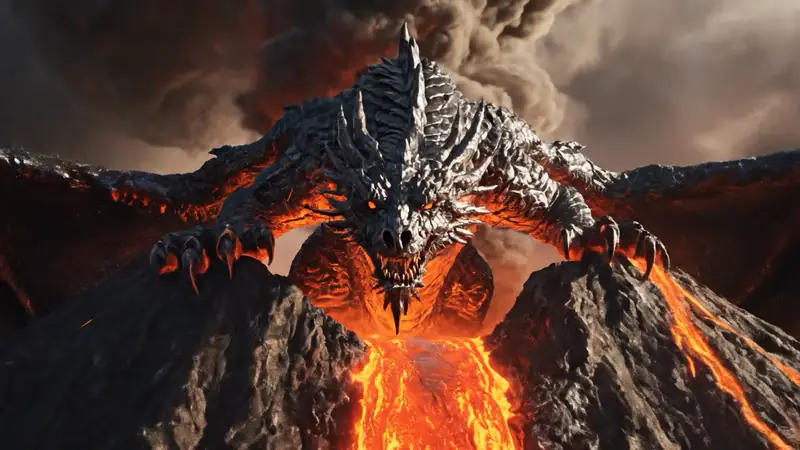
AI video tools
Turn images into motion
Animate a still or create a clip.

AI image tools
Create or edit images
Make, clean up, or upscale stills.
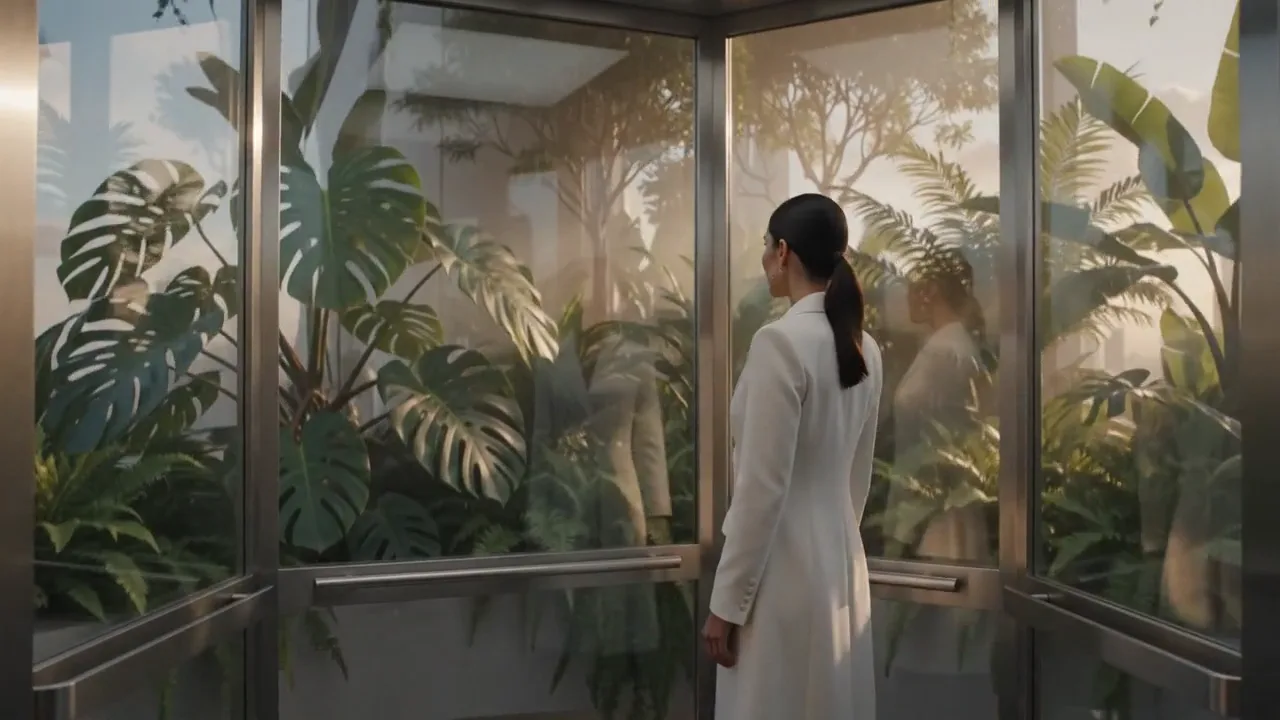
Veo AI
Veo family
Explore more Google Veo options.
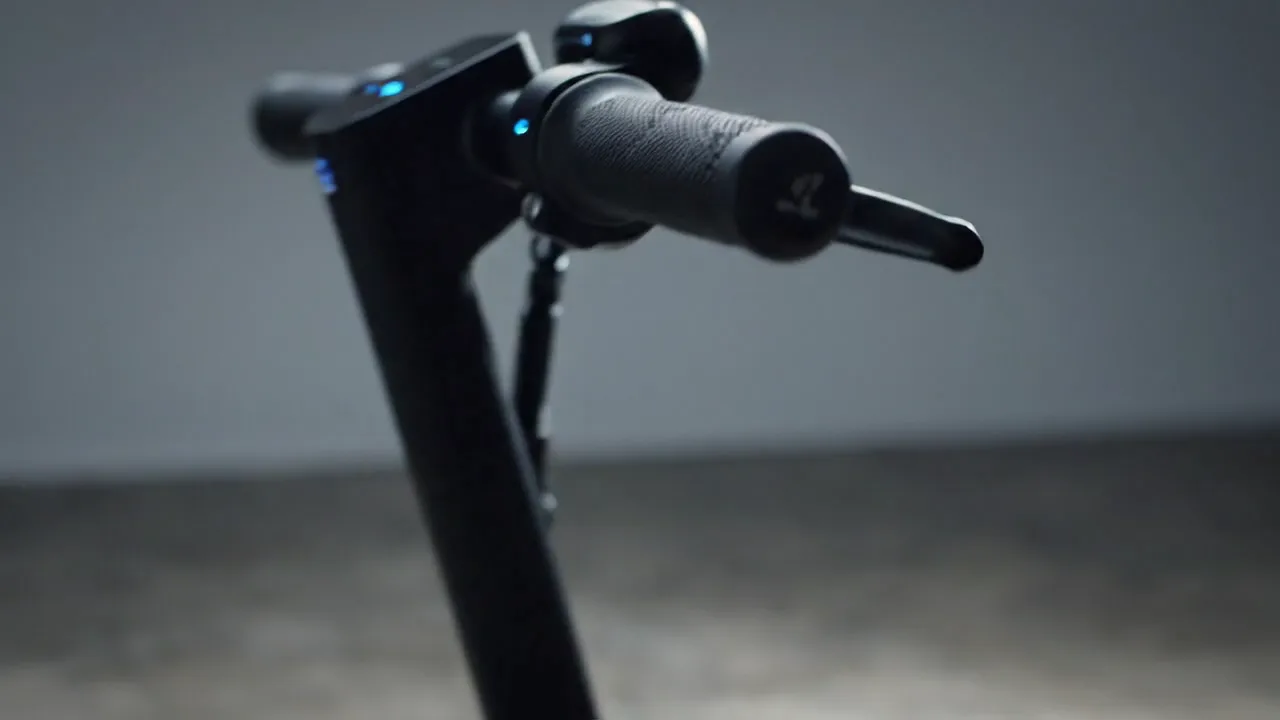
Veo 3.1
Cinematic control
Use for cinematic shots and camera moves.
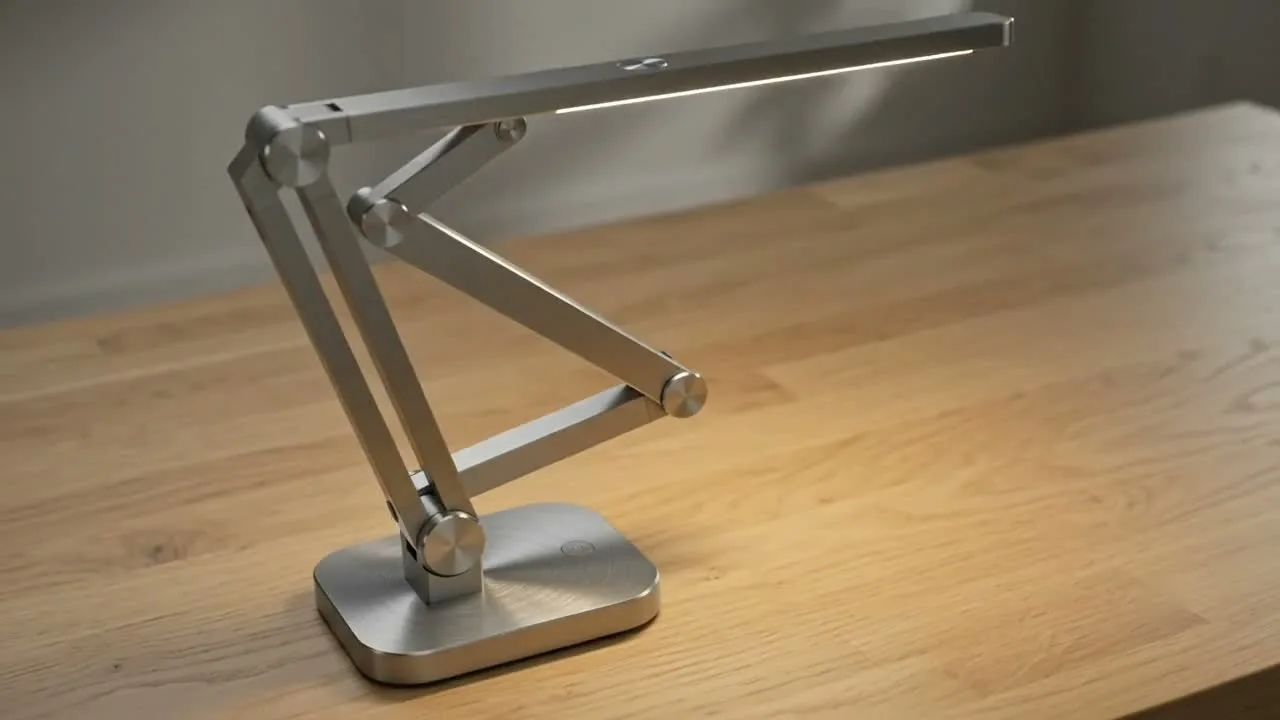
Seedance 2
Reference-led video
Use for fast motion drafts from references.
Seedance AI
Seedance family
Explore more Seedance video options.
Kling AI
Kling family
Explore more Kling video options.
Hailuo AI
Physical motion
Use for fabric, liquid, and physical motion.